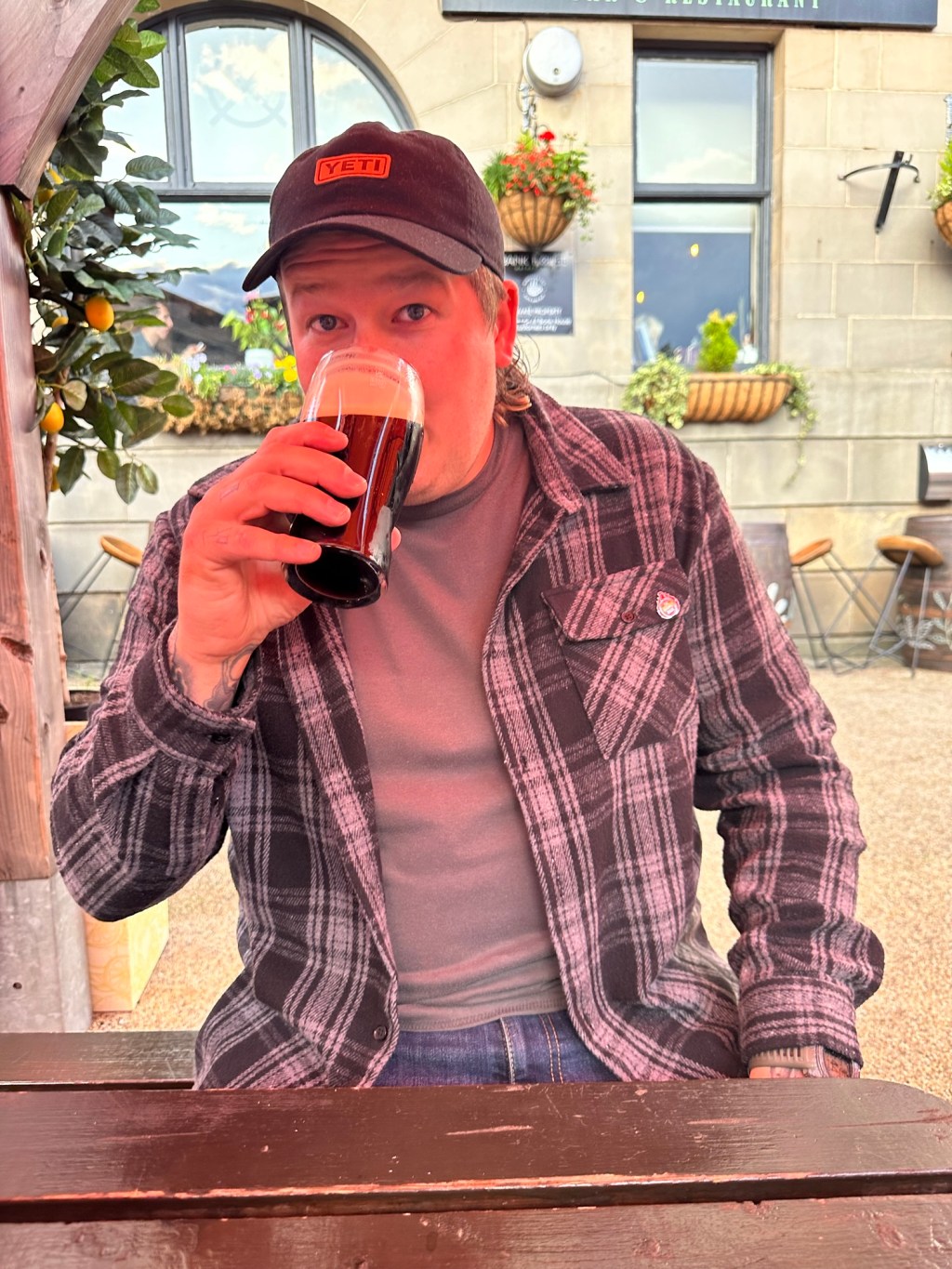
When I first stumbled into therapy at 30, I didn’t show up with some grand vision of healing. I showed up because I was drowning—clinging to the hope that something might make life feel less like a cage. As a bloke raised in a northern working-class household, where “sort yourself out” counted as emotional advice, therapy felt like a foreign language. I wasn’t there for enlightenment. I was there because I’d run out of ways to outrun the numbness.
Therapy Isn’t a Fix. It’s a Mirror.
I’ll admit it: I wanted a quick fix. A pill, a mantra, a checklist, anything to make the heaviness lift. But therapy doesn’t work like that. Those early sessions felt like prodding at a bruise. I’d toss my therapist breadcrumbs, half-truths about my marriage, my dread of failing as a dad, the shame of feeling “stuck” in a life I’d supposedly chosen, waiting for her to hand me a plaster and send me off. Instead, she’d sit there, steady as stone, and ask, “What does that feel like in your body?”
Confusing? Bloody hell, yes. Where were the solutions? The pep talks? The judgment? It took months to realise: “Oh. This is the point.” Therapy wasn’t about fixing me. It was about teaching me to stop running from myself.
The Radical Act of Letting a Stranger See You
Here’s the thing about being a working-class man in therapy, every session feels like a rebellion. We’re taught to graft, to swallow pain, to equate vulnerability with weakness. So sitting in that room, admitting I felt lost, angry, or God forbid “sad”, was like dismantling my own DNA.
I started testing my therapist. Dropped a trauma bomb here, a confession there, waiting for her to flinch. She never did. No platitudes, no pity, no “man up.” Just this unshakable quiet, like she trusted I could hold my own chaos. And slowly, I began to trust it, too.
Permission to Be a Messy, Contradictory Human
The breakthrough? Realising my body wasn’t the enemy. For years, I’d shoved down tears (because “men don’t cry”), redirected rage (because “anger’s for thugs”), and numbed fear with buying things as a distraction. But in that room, I learned to let my body speak for itself. Cracking open with snotty sobs over grief I’d buried a decade ago. Punching a cushion until my fists ached, I was furious at the systems that told me my worth was defined by my paycheck, how much pain I could take in silence and how toxic I could be.
This wasn’t “self-help.” This was reclamation. Humanistic therapy, with its focus on self-actualisation and the present moment, taught me that my emotions weren’t flaws. They were signposts. Integrative work helped me stitch those fragments into something whole.
Three Years In: Therapy as a Lifeline, Not a Crutch
Now, three years later, I’m unrecognisable. Not because I’m “cured,” but because I’ve learned to walk with the weight.
As a dad, I apologise to my kids now. I say, “Dad’s feeling stressed; it’s not your fault.”
As a husband, I communicate better. Less feeling alone & more communicating I’m scared.
As a student, Studying psychotherapy isn’t just an academic pursuit. It’s a rebellion. A way to say, “Our people deserve softness, too.”
As a man, I’ve made peace with contradictions. I can love Rambo and Ru Pauls’s Drag Race. I can vote left and still crave my Dads Thatcher-era hatred.
The Politics of Healing
Let’s be clear: therapy didn’t just change my mind. It radicalised me. When you grow up in a small pit village like I did, you’re told your pain is personal, a failure of hard work. Therapy forces you to see the bigger cage, how capitalism grinds us into burnout, and how toxic masculinity cuts boys off from their hearts. Now, when I hear mates say, “I’m fine, just tired,” I hear the lie we’ve all been sold.
Where It Leaves Me
Therapy isn’t my happy ending. It’s the compass that keeps me walking. Some weeks, it’s a grind. Others, it’s grace. But it has taught me this: healing isn’t about becoming someone “better.” It’s about returning to who you were before the world told you to shut up and soldier on.
And for a bloke like me? That’s not just progress. That’s revolution.
Author Bio: A 33-year-old psychotherapy student, husband, father, and former firefighter & construction worker from Warsop, Nottinghamshire, navigating the complex intersection of class, masculinity, and mental health.
 The Lost Caveman