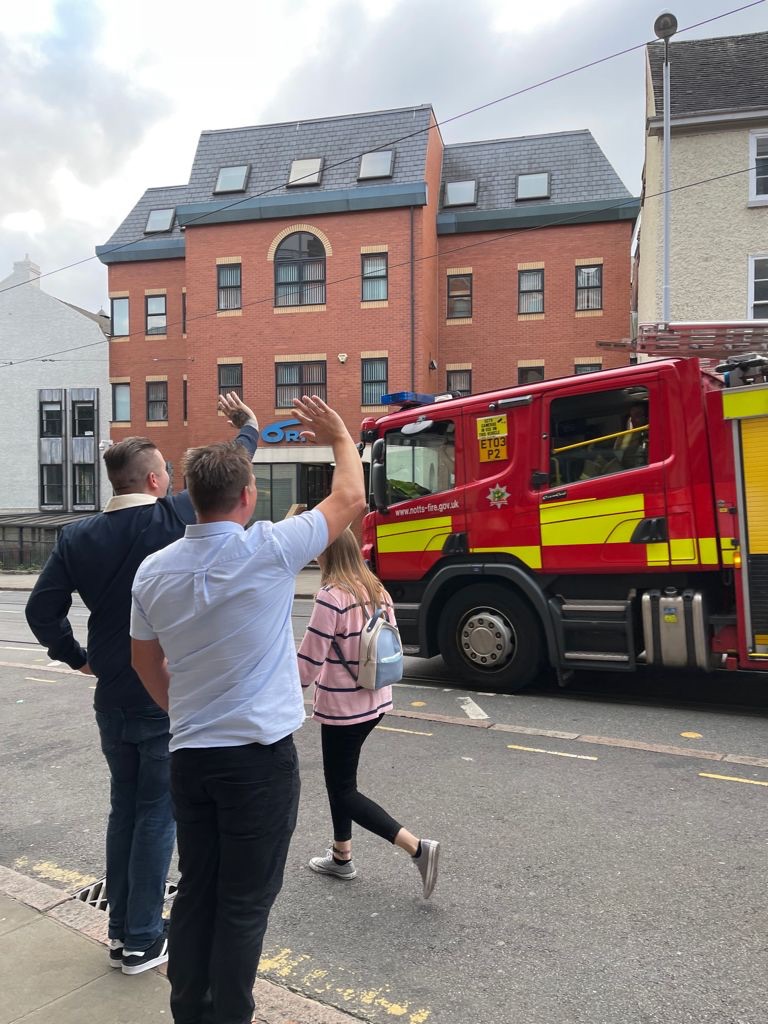
Monday, May 26th, marked one year since I lost my friend Simon to suicide. The weight of his absence has created a hollow space within me that I still don’t know how to fill. This isn’t a polished blog post; it’s a raw reflection of where I stand 365 days later.
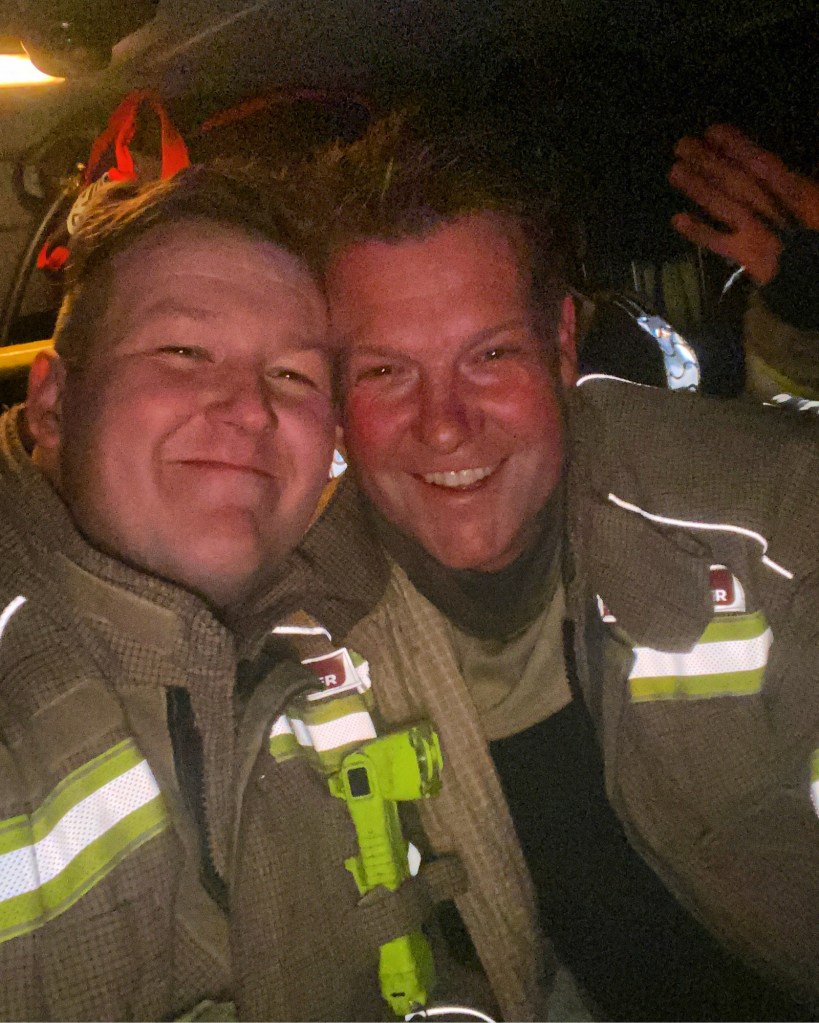
I met Simon in 2019. We were two ordinary men connected by the extraordinary job of firefighting. He was a seasoned firefighter, a decade deep into saving lives, with calloused hands that balanced rescues and the rollercoaster of bedtime for his three kids: two girls and a boy, just like mine. Outside the station, we both painted walls to pay the bills, trading fire helmets for paint-splattered overalls. But Simon was never just ordinary.
He was a maverick in turnout gear. Rules and protocols? Simon scoffed at them if they stood between him and a life to save. I watched him charge into infernos without hesitation, pry shattered metal from trapped drivers, and drag strangers from collapsing buildings, always first in and last out. He cared about people, not politics; action, not accolades. To the rest of the world, he was a hero.
We orbited each other for five years like planets in gravity’s pull. During drills, midnight callouts, and training courses, wherever duty threw us, we found ways to laugh through the chaos, turning trauma into inside jokes. We tested “unbreakable” tools until they broke (and then blamed poor craftsmanship), mocked the irony of bureaucrats who’d never faced a flame, and grumbled about everyone’s flaws except our own. He made the unbearable feel light.
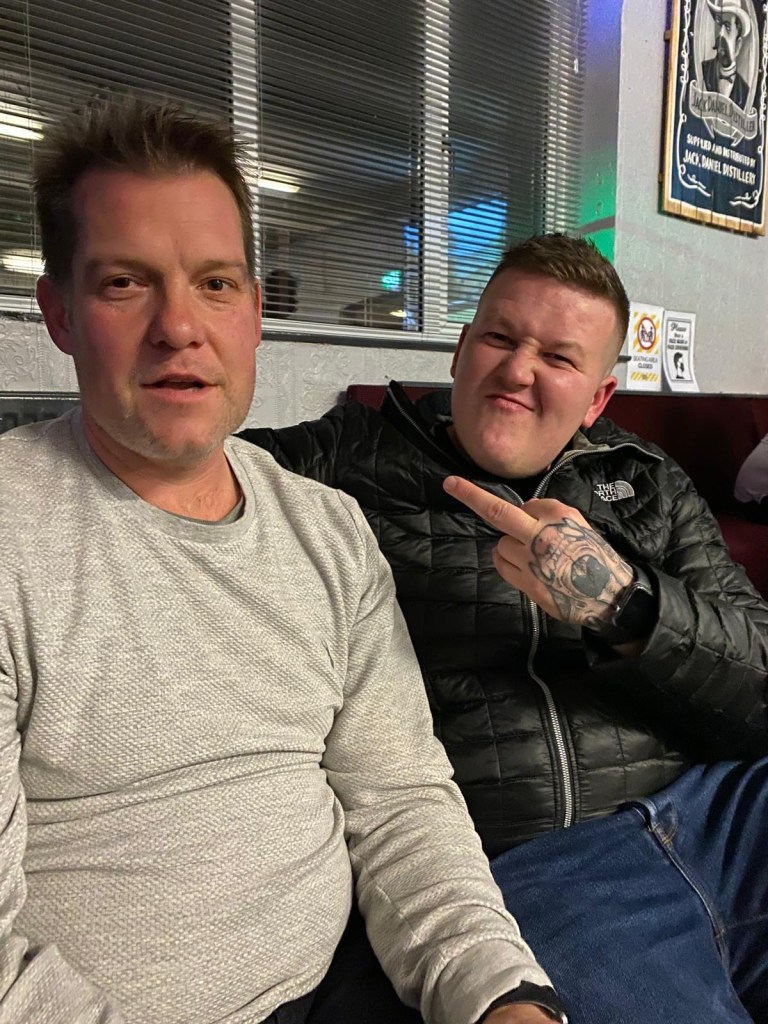
Now, the silence is deafening. I keep asking myself the questions that have no answers: How could someone who saved so many not save himself? Why didn’t I do more? Why do I feel so much pain for a man I had only just begun to understand? Guilt festers where our inside jokes once thrived, leaving me with anger, shame, and confusion.
Simon took some leave from active duty in the fire service, attended numerous well-being meetings, went to occupational therapy appointments, and even spent some time in a mental health hospital. That was all on top of the countless conversations at the station with myself and others. I sent multiple messages daily to check in on him. Everyone was ticking boxes on the “it’s okay not to be okay” men’s mental health checklist.
Here’s what they don’t tell you about mental health checklists: You can tick every box.
“Talk openly.” We talked.
“Check in daily.” I messaged, Every. Single. Day.
“Encourage professional help.” He sought it: therapy, meetings, even a stay in a psychiatric ward.
We did it all. We followed the script.
And still, he died.
Simon wasn’t quiet in his pain; he screamed. He drank like he was trying to drown the fire inside. He drove his car too fast, charged into jobs recklessly, and laughed too loudly in the face of death. “I’m fine,” he’d say, ash in his voice. “I’m fine,” we echoed, cowardly and complicit.
We let him down.
Not because we didn’t care. We believed the lie that talking was enough. Because “awareness” doesn’t stop a man from jumping in front of a train. We’re all just fumbling in the dark with a flickering candle.
Guilt is a slow poison. I wonder if that last joke I made about his drinking cut deeper than I intended. There’s the voicemail he left me three days before, deleted because hearing his voice now would split me open. It’s knowing he texted others too, and we all failed together, in unison, like a well-rehearsed choir.
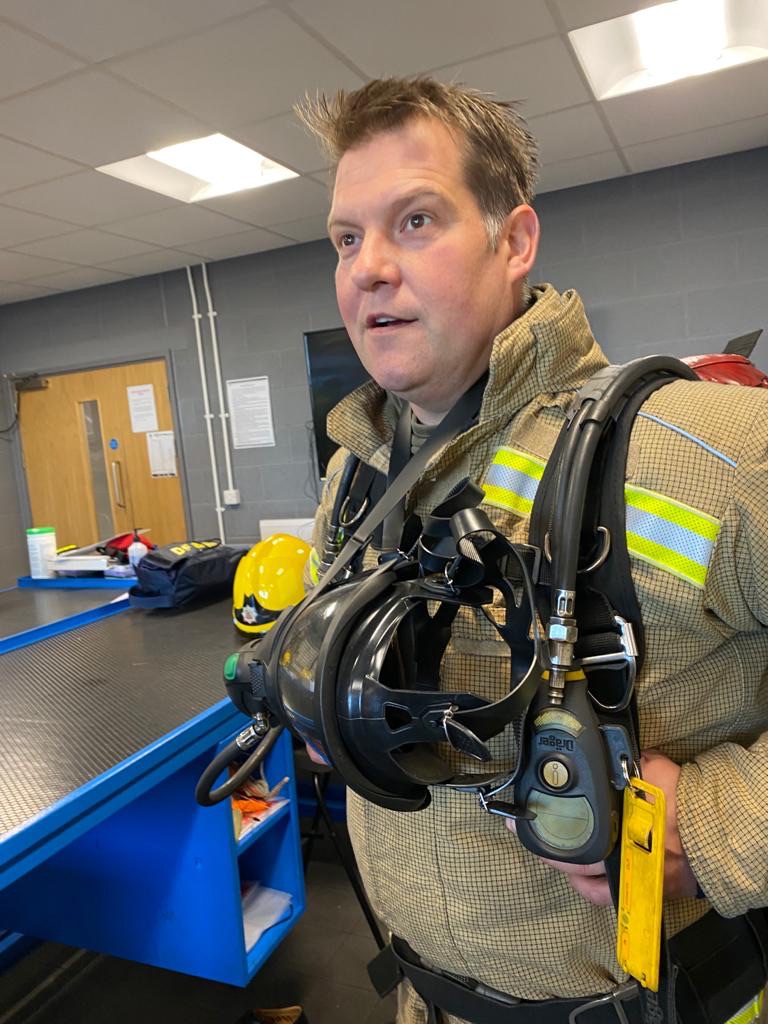
They’ll say Simon’s legacy is his courage, but I refuse to sanitise him. His legacy is the mess: the bottles in his locker, the way he flinched at sirens, the unspoken pact among crews to ignore the cracks in his smile. His legacy is the truth: We don’t know how to save the people who save everyone else.
I won’t light a candle.
I’ll burn the checklist.
I’ll scream into the hollow he left.
And I’ll force you to sit with this:
How many Simons are in your life? How long until their silence becomes a statistic?
Rest in peace, you reckless, magnificent bastard.
We should’ve loved you louder.
 The Lost Caveman